Europe’s Stagflation Risk Is Becoming Very Real

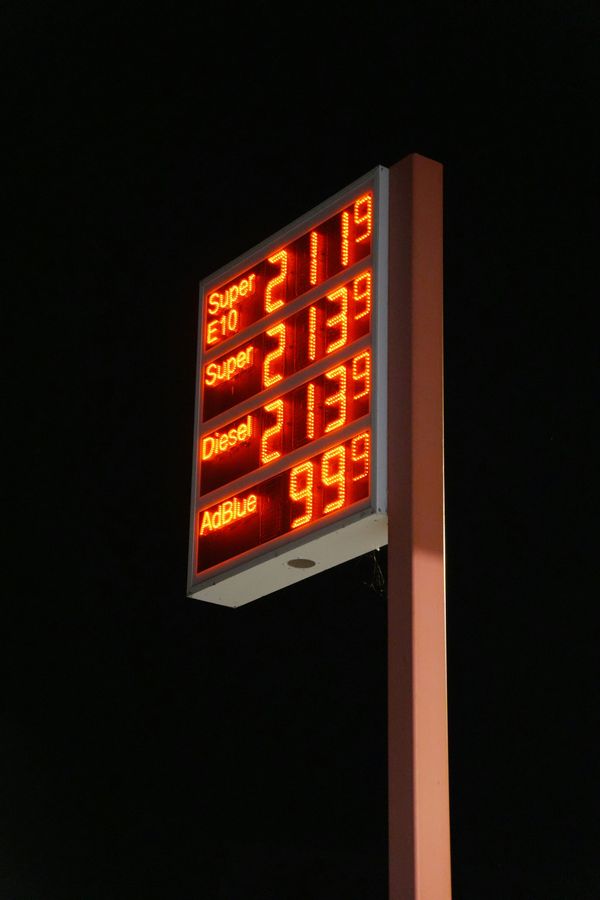
If the United States is feeling the oil shock in its inflation data, Europe is absorbing it through something far more dangerous: the prospect of simultaneous high inflation and near-zero growth. The European Central Bank’s own warning is stark. A prolonged Middle East conflict will likely trigger a period of stagflation and push major energy-dependent economies, including Germany and Italy, into technical recession by the end of 2026. The numbers behind that concern are concrete. European gas storage levels entered the conflict at historically low levels, estimated at just 30% capacity following a harsh 2025-2026 winter. Dutch TTF gas benchmarks nearly doubled to over €60 per megawatt-hour by mid-March. Chemical and steel manufacturers across the UK and EU have imposed surcharges of up to 30% to offset surging electricity and feedstock costs. UK inflation is expected to breach 5% in 2026, the highest projected rate in Europe. Germany’s 2026 GDP growth forecast was cut to just 0.6%. Eurozone GDP growth for the year is now seen at 1.1%, down from 1.4% in 2025 and below the 1.3% forecast from January. The ECB postponed its planned rate reductions on March 19 and raised its 2026 inflation forecast at the same meeting. Economists have warned that if the maritime blockade persists through the summer refill season, the risk of technical recession in energy-intensive economies becomes very high. The EU’s own inflation forecast range now sits between 2.6% and 4.4% depending on how the conflict evolves. At the upper end of that range, the policy options become genuinely difficult.