South Africa Grows. The Continent Worries About What Comes Next.

South Africa's economy grew 1.1% in 2025, its fastest pace in three years, and a meaningful improvement over the 0.5% recorded the year before. The agriculture, trade, and finance sectors all contributed. Power supply has been more reliable, and some of the logistical bottlenecks that throttled the economy in earlier years have eased. The country's Reserve Bank is scheduled to make rate decisions throughout 2026, with local government elections expected before year-end.
Nigeria is pushing through a broad tax reform that has drawn pushback from northern states and the legislature. President Tinubu's revenue mobilization drive is ambitious, but public anxiety about the new rules is high, particularly around trust and timing. Kenya, meanwhile, is accelerating the privatization of assets including Safaricom stakes and Kenya Pipeline Company shares to raise funds, with an estimated KSh347 billion target.
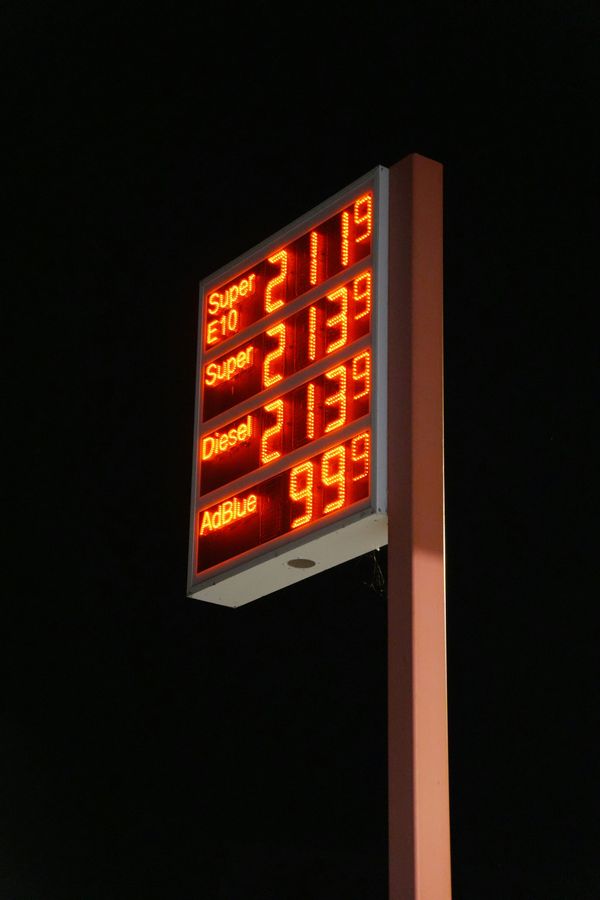
Across the continent, the Iran war energy shock has arrived unevenly. Nigeria and Angola, as oil exporters, benefit from higher prices. Oil-importing countries like Ethiopia, Kenya, and Zimbabwe face rising fuel costs that feed through to transport, food, and basic goods. Ethiopia's central bank is simultaneously tightening credit to prevent a surge in liquidity from destabilizing its 2026 reform program.
South Africa GDP growth (2025): 1.1% — Fastest since 2022 (Statistics SA / Bloomberg)
SA GDP forecast (2026): 1.5% — Supported by reform momentum
Africa average public debt-to-GDP: 63% — Interest = ~15% of revenues (World Bank)
African nations over-indebted or at risk: ~40% — Several restructuring under G20 framework