The Eurozone Is Growing at 0.8%. That Is Not a Typo

The eurozone economy grew by just 0.8% in the first quarter of 2026, year on year. That figure landed the same day the European Central Bank kept interest rates unchanged for the third consecutive meeting, and together they tell a story about an economy caught between two bad options.
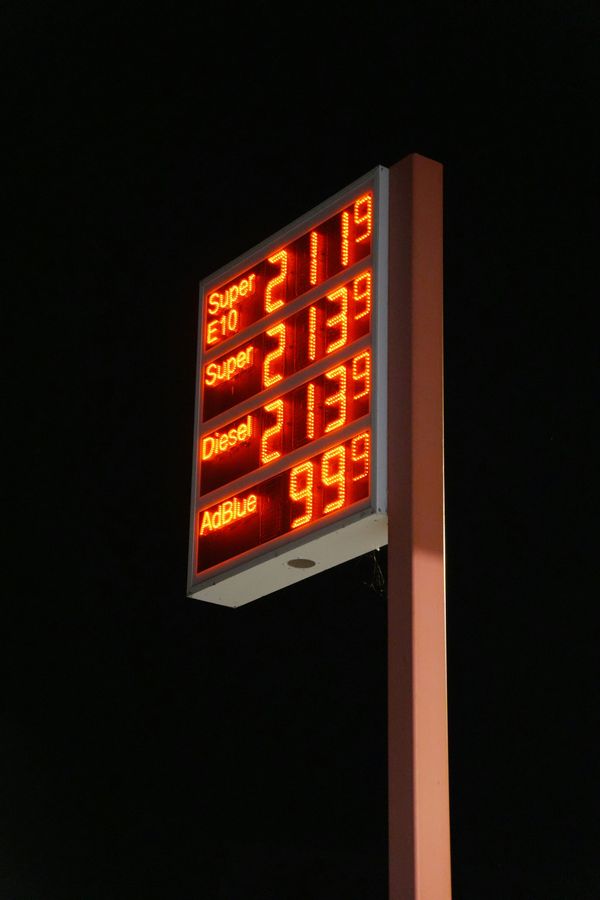
On one side, inflation in the 20-country euro area came in at 3% in the most recent reading, well above the ECB's 2% target. Core inflation, which strips out energy and food, held at 2.2%. On the other side, growth is stalling. Germany and Italy have both cut their 2026 growth forecasts as energy costs climb following the disruption of oil supply linked to the Middle East conflict and the partial closure of the Strait of Hormuz.
The ECB held its deposit facility rate at 2%, a rate that has not moved since a 25 basis point cut in June 2025. ECB President Christine Lagarde described the stop-start nature of the war in the Middle East as making the economic outlook significantly harder to assess. The bank said risks to growth are tilted to the downside and risks to inflation to the upside, which is as close to a stagflation warning as central banker language typically gets.
The position for households across the bloc is uncomfortable. Real incomes are being squeezed by energy and food costs, consumer confidence is weakening, and businesses are pulling back on investment amid elevated uncertainty. Deutsche Bank's base case now calls for the ECB to hold at 2% through the entirety of 2026, with the next rate move possibly a hike in mid-2027.
Markets are pricing something similar. Swap market data as of May 12 showed expectations for the ECB to raise its policy rate by 25 basis points three times in 2026 if the energy situation worsens, though economists have stressed that those hikes would need to be supported by clear evidence of second-round inflation effects, meaning workers pushing for higher wages and firms passing costs on to consumers.
For now, the ECB is waiting. The eurozone economy, in the meantime, is barely moving.