Germany Has Now Contracted or Nearly Stagnated for Three Consecutive Years. The Causes Go Deeper Than Energy.

There is a conversation happening in economic circles about whether Germany is facing a cyclical downturn or something more structurally serious. The evidence is beginning to favour the latter.
Germany contracted 0.9% in 2023, contracted again by 0.2% in 2024, and managed only 0.2% growth in 2025. No other G7 economy has delivered three consecutive years of contraction or near-zero growth in the 21st century.
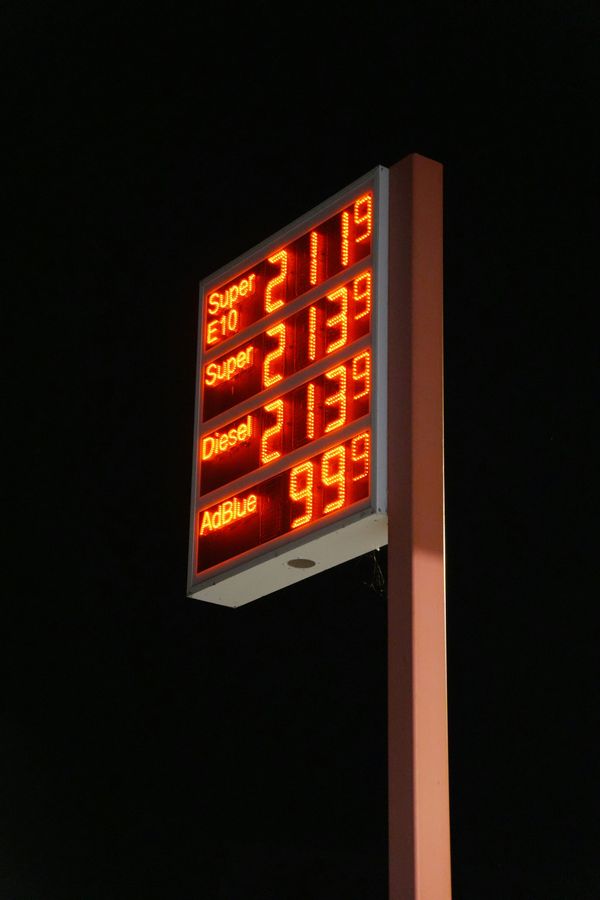
The European Commission's spring 2026 forecast puts German growth at 0.6% this year, recovering slightly to 0.9% in 2027. The German federal government's own estimate is 0.5%, which most independent analysts consider the more realistic figure. The energy price shock has raised costs and prices, weighing on real incomes and profit margins, thereby slowing demand. The ramp-up in public spending is set to contribute positively to overall growth, but private consumption is expected to strengthen only somewhat in 2027 as uncertainty subsides.
The structural dimension is harder to fix than an energy shock. Germany's dominant industries, automobiles and heavy manufacturing, are losing global competitiveness at a moment when the world is moving toward electric vehicles and software-defined products. Volkswagen announced plans to cut 35,000 jobs. Industrial production is down 15% from its peak. Unemployment has reached a twelve-year high.
The ECB has explicitly warned that a prolonged Middle East conflict could push Germany and Italy into technical recession by end-2026, which would mean four recessions in four years, an outcome with no post-war precedent.
The government's response has been a constitutional reform unlocking significantly higher public spending, particularly on defence and infrastructure. That spending is expected to contribute positively to growth, but the transmission is slow. Construction investment in particular remains weak, and business confidence is not recovering quickly in an environment of elevated energy costs and geopolitical uncertainty.
Germany's situation in 2026 is a case study in what happens when a highly specialised industrial economy faces simultaneous shocks to its energy model, its export competitiveness, and its geopolitical assumptions. The path forward exists, but it requires transformation, not just recovery.