The World Bank Just Cut Its Global Growth Forecast to the Lowest Level Since COVID. Here Is Why.

On June 11, 2026, the World Bank released its latest Global Economic Prospects report with a headline number that immediately drew attention across financial markets: global growth is now forecast to slow to 2.5% in 2026, down from 2.9% in 2025. That would make 2026 the slowest year for the world economy since the onset of the COVID-19 pandemic.
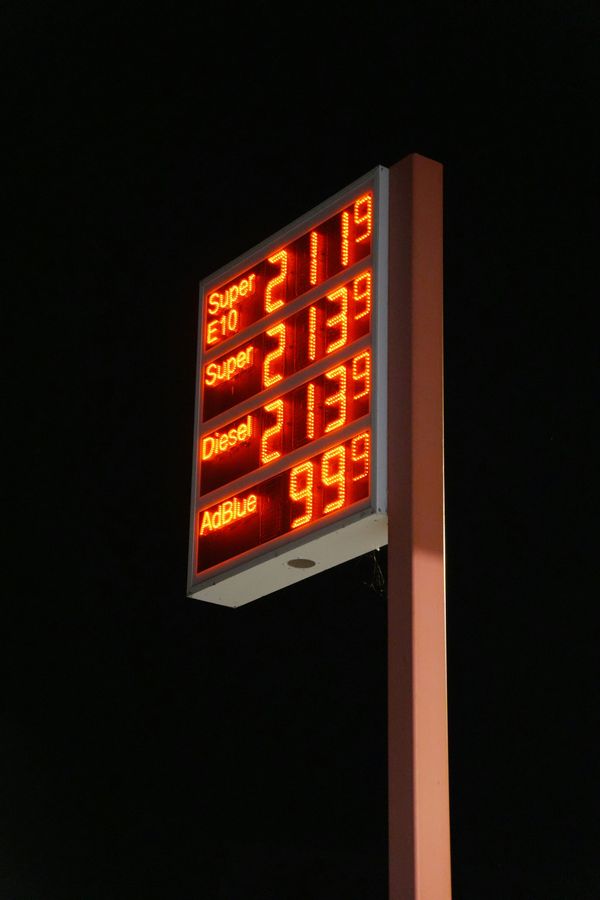
The cause identified by the report is direct and specific. The conflict in the Middle East is driving higher energy prices, steeper inflation, and increased borrowing costs simultaneously across the global economy, a combination that is proving difficult for nearly every region to absorb. Forecasts for two thirds of all economies tracked by the World Bank have been downgraded relative to projections made just five months earlier in January.
The impact is not evenly distributed. The Middle East, North Africa, Afghanistan and Pakistan region has been identified as the worst affected by the conflict's economic spillovers, given its direct exposure to energy markets and regional trade routes. South Asia, by contrast, remains the fastest growing region globally, a divergence that reflects how much energy importing versus energy exporting status now matters for national growth outcomes.
Low-income countries have not escaped the downgrade either. Growth in this group is now expected to reach 5.4% in 2026, a full 0.3 percentage points lower than previous forecasts, directly attributed to the conflict's impact.
The World Bank's framing for what comes next is cautiously optimistic but conditional. Recoveries are projected across all regions for 2027 and 2028, contingent on energy prices declining and global activity rebounding. Until then, the report warns that fiscal pressures will directly affect governments' ability to reduce poverty, address food insecurity, and create jobs, with risks tilted firmly to the downside including the possibility of protracted commodity market disruption, financial stress, and weather-related shocks layering on top of the existing geopolitical uncertainty.