Middle East Conflict Pushes Global Energy Prices Higher, Straining Emerging Markets

Geopolitical tensions in the Middle East this week directly translated into higher energy costs across emerging markets, forcing central banks to reassess growth projections. Global growth is projected to slow to 3.1% in 2026 and 3.2% in 2027, with slowdown particularly pronounced in emerging market and developing economies as rising commodity prices, firmer inflation expectations, and tighter financial conditions test resilience. The cumulative effect threatens the recovery momentum many developing nations had anticipated.
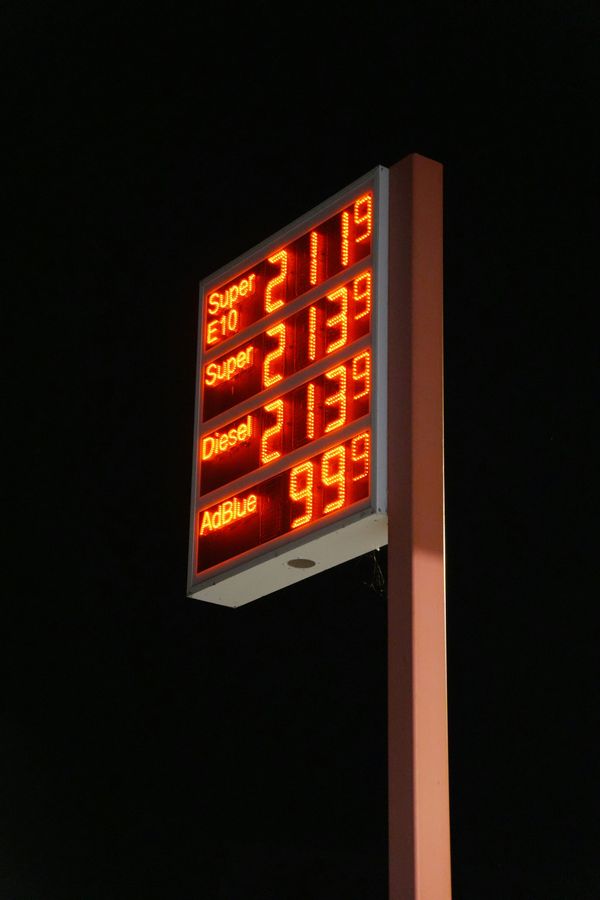
The energy impact extends beyond headline inflation. Inflation across emerging market and developing economies is expected to rise to about 5.1% in 2026, reversing earlier expectations that inflation would ease this year, with upward pressure mainly linked to recent energy price shocks and geopolitical tensions. Energy-importing economies face particular vulnerability, while commodity exporters could gain temporary benefits from elevated prices.
A longer or broader conflict, worsening geopolitical fragmentation, reassessment of AI-driven productivity expectations, or renewed trade tensions could significantly weaken growth and destabilize financial markets, with downside risks dominated by these possibilities. Policy makers acknowledge limited control over external shocks and must focus on domestic policy credibility.
The silver lining appears through selective opportunities. Energy-intensive industries will face margin compression, but energy-efficient sectors and renewable energy developers stand to gain relative valuation support. Household consumers in emerging markets should expect moderating real income growth and carefully manage debt exposure in coming quarters.