Germany's Comeback Story Hits an Energy Wall

Germany was supposed to be in recovery mode by now. The government had earmarked enormous fiscal spending on defence and infrastructure, business sentiment was improving, and analysts were penciling in GDP growth around 1% for 2026. Then the Iran conflict sent energy prices spiking, and those plans hit a wall.
The Federal Ministry for Economic Affairs and Energy slashed its growth forecast for 2026 to 0.5% from 1%, while the 2027 forecast was cut from 1.3% to 0.9%. Inflation is now projected to reach 2.7% in 2026 and 2.8% in 2027. The Ifo Institute's business climate index dropped to 84.4 in April, the lowest since the early days of the COVID pandemic, as corporate pessimism deepened sharply.
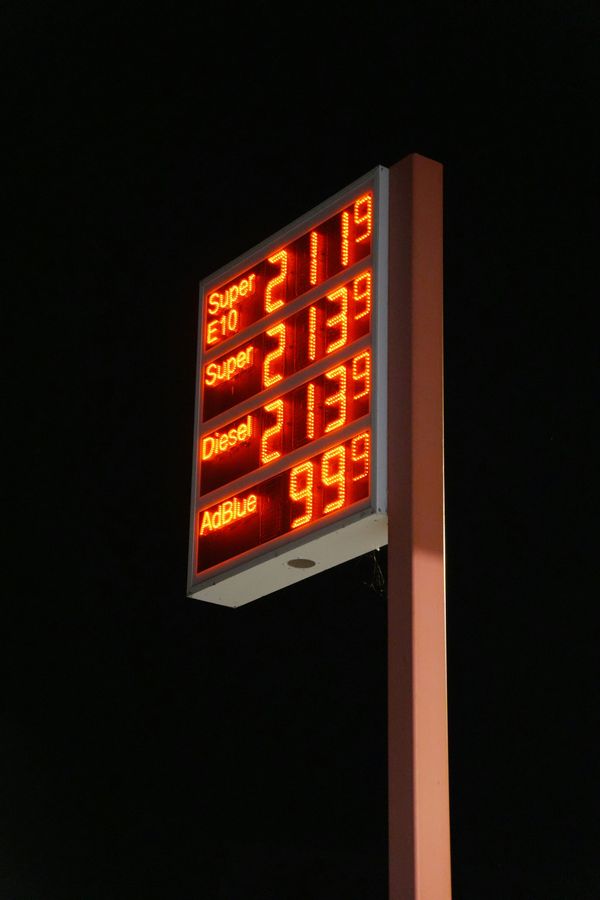
Germany's inflation hit 2.7% year-on-year in March, driven by a 7.2% spike in energy prices, the first annual increase since December 2023, with fuel prices surging 20% and heating oil jumping 44.4%. Services inflation held at 3.2%, meaning cost pressures are not limited to the energy shock alone.
Leading economists have emphasized that government energy relief measures of 4 to 5 billion euros this year should not replace spending from the core fiscal package, and that stronger spending in the second half of the year in line with historical patterns remains the expectation.
For German businesses and consumers, the near-term picture is uncomfortable. Industrial production was already flat before the war, and higher transport and materials costs are now feeding through supply chains. The recovery remains the plan, but it has been pushed back.