Germany Is Struggling, and Europe Feels It


Germany's retail sales fell 2.0% month on month and 2.0% year on year in the most recent reading, making it one of the worst performing consumer markets in the Eurozone in early 2026. For an economy that has long been considered the engine of European growth, those numbers are hard to look past.
The broader Eurozone picture is not much more encouraging. GDP grew at only 0.1% quarter on quarter, while inflation rose back to 3.0%, creating what analysts are increasingly calling a stagflation style dilemma for European policymakers. The ECB is caught between the need to keep rates tight enough to fight inflation and the reality that doing so is putting even more pressure on already fragile growth.
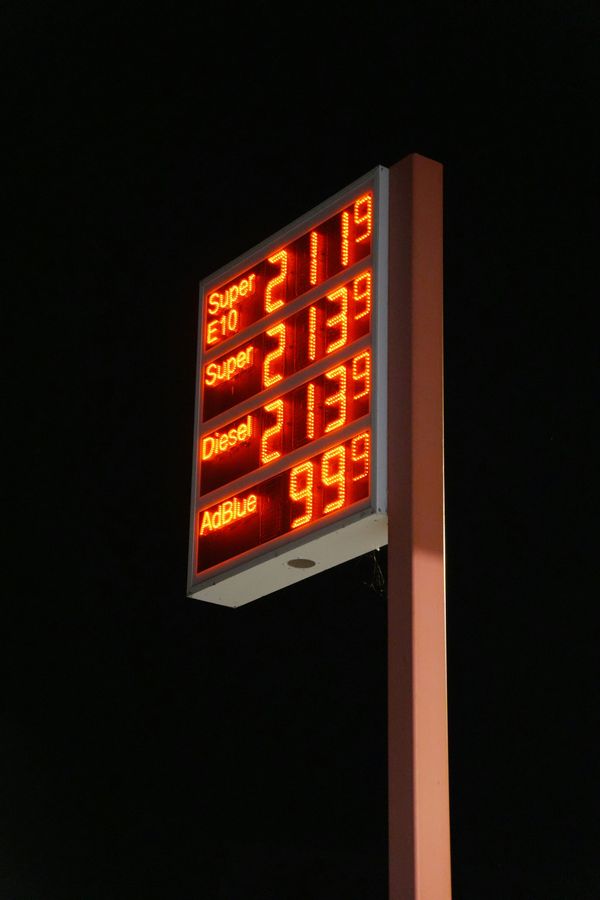
Germany's weakness is not purely cyclical. High energy costs, driven sharply higher by the Middle East conflict, are hammering the country's industrial base. Germany is a large net energy importer, and every sustained increase in oil and gas prices acts as a direct tax on its manufacturing sector.
The bright spot in the European data is autos. European car sales rose 11.1% year on year in March 2026, supported by electric and hybrid vehicle demand. That is a real number, and it suggests that the green transition is creating at least some momentum in an otherwise weak consumer environment.
Eurozone retail sales rose 1.7% year on year in aggregate, but the monthly reading of negative 0.2% is more telling about the direction of travel. For ordinary households across the Eurozone, purchasing power is being squeezed. Wages are growing, but energy and food price inflation is eating into those gains faster than most households anticipated.